
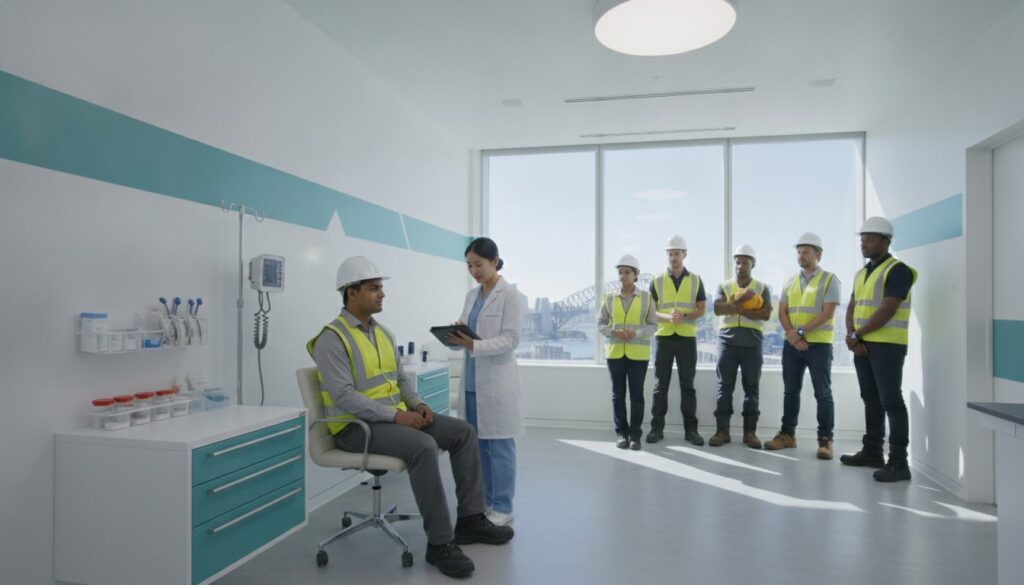
Could a single overlooked physical limitation put your entire site at risk and compromise your WHS standing? In the high pressure environment of Australian construction, a pre employment medical construction workers undergo is far more than a simple tick-box exercise. It’s a vital safeguard for your people and your business. We understand the pressure of meeting SafeWork Australia standards while trying to get boots on the ground without delays. You want a team that is physically capable of high risk tasks, but the uncertainty of long turnaround times or candidates failing tests can be a major headache.
This 2026 guide is designed to remove that uncertainty and provide a clear roadmap for your recruitment process. You’ll discover everything involved in construction industry medicals to ensure your workforce is safe, compliant, and physically fit for the site. We will walk you through essential components like functional assessments, explain the latest legislative requirements, and show you how modern digital reporting can streamline your hiring. Whether you are operating out of Gregory Hills, Rosebery, or anywhere across Australia, this guide ensures you are equipped to build a resilient workforce. To support your ongoing safety, we also introduce InjuryQR, a free AI-powered triage service that simplifies incident reporting and helps reduce Lost Time Injuries (LTIs).
Key Takeaways
- Understand how comprehensive medical assessments ensure compliance with SafeWork Australia standards and help prevent costly workplace injuries on site.
- Learn what is involved in a pre employment medical construction workers must complete, focusing on clinical exams and essential musculoskeletal functional testing.
- Identify the specific triggers and legislative requirements for mandatory health surveillance regarding high risk exposures such as crystalline silica and asbestos.
- Discover how proper candidate preparation can lead to more accurate results and significantly faster turnaround times for your medical reports.
- Explore how integrating modern digital reporting and triage tools like InjuryQR can support a safer workforce and help reduce your site’s Lost Time Injuries (LTIs).
What is a Pre-Employment Medical for Construction Workers?
A pre employment medical construction workers undergo is a comprehensive clinical and functional health assessment. Its primary purpose is to determine whether a candidate possesses the physical and psychological capacity to perform the specific duties of a construction role without risking themselves or their colleagues. This isn’t just about checking a box during the recruitment phase; it’s a proactive strategy to prevent workplace injuries and ensure your business remains compliant with stringent WHS legislation. By identifying health risks early, you can make informed hiring decisions that protect both your people and your project timelines.
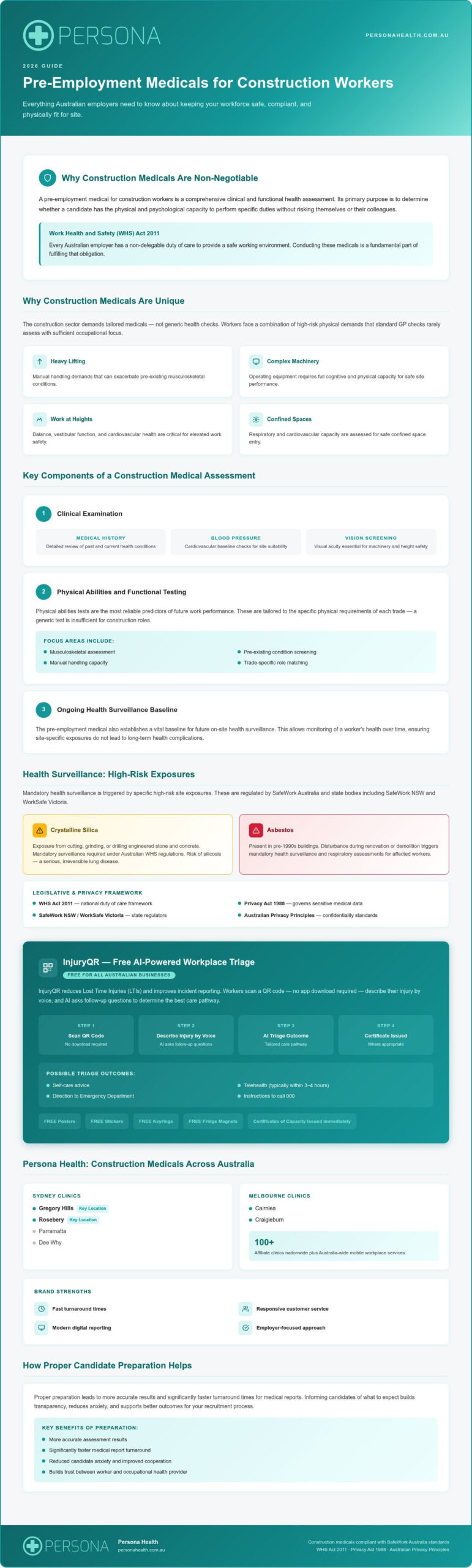
Under the Work Health and Safety (WHS) Act 2011, every Australian employer has a non-delegable duty of care to provide a safe working environment. Conducting these medicals is a fundamental part of fulfilling that obligation. Beyond immediate safety, these assessments serve as a vital baseline for future on-site health surveillance. This allows you to monitor a worker’s health over time, ensuring that site-specific exposures don’t lead to long-term health complications. It’s a supportive approach that places the individual’s unique physical makeup at the centre of the safety process.
Why Construction Industry Medicals are Unique
The construction sector is distinct because of its high-risk nature. Workers frequently engage in heavy lifting, operate complex machinery, and work at heights or in confined spaces. Because of these demands, a generic health check is rarely sufficient. A pre employment medical construction workers complete must be tailored to the specific physical requirements of their trade. We focus on identifying pre-existing musculoskeletal conditions or cardiovascular issues that the rigours of site work could exacerbate. Adhering to high occupational health and safety standards means ensuring that every worker is physically matched to their environment, reducing the likelihood of strain or sudden health events on site.
Legislative Requirements and Australian Standards
Compliance is guided by SafeWork Australia and state-based regulators like SafeWork NSW and WorkSafe Victoria. These organisations set the benchmarks for what constitutes a “fit for work” status in high-risk industries. Furthermore, handling candidate data requires strict adherence to the Privacy Act 1988 and the Australian Privacy Principles. You need to know that sensitive medical information is managed with the highest level of confidentiality. Many businesses find that standard GP checks often fail to meet these specialised standards because they lack the occupational focus needed to assess construction-specific hazards. A professional occupational health partner ensures your medicals are legally robust, clinically thorough, and focused on the practical needs of the employer.
Key Components of a Construction Medical Assessment
A high-quality pre employment medical construction workers complete involves more than just a quick check-up. It’s a targeted evaluation of physical resilience. We combine clinical observations with objective data to ensure every worker can meet the manual demands of your site. Our modern digital reporting system means site managers receive these results quickly, allowing for faster hiring decisions without compromising on safety. By explaining what happens in a pre-employment medical to your candidates, you foster transparency and reduce the anxiety often associated with physical testing.
The clinical portion of the exam includes a detailed review of medical history, blood pressure checks, and vision screening. This baseline is essential for identifying underlying health concerns that might not be immediately obvious but could impact site safety. We take an individualised approach, recognising that every worker’s body is different. This professional yet empathetic focus helps build a relationship of trust between the worker and the occupational health provider from the very beginning of their journey with your company.
The Physical Abilities and Functional Test
Physical abilities tests are the most reliable predictors of future workplace injuries. During this phase, we assess range of motion, grip strength, and lifting techniques to ensure the musculoskeletal system is up to the task. Cardiovascular fitness is also vital. Site work is physically punishing, and we need to ensure the heart and lungs can handle the load over a full shift. This assessment isn’t about finding reasons to exclude people; it’s about ensuring they are matched with a role where they can work safely and effectively.
Audiometry and Spirometry: Hearing and Lung Health
Hearing and lung health are critical pillars of long-term wellness in construction. Audiometric testing establishes a vital baseline, which is essential for complying with AS/NZS 1269.4 for occupational noise management. Spirometry measures lung function, identifying early signs of impairment for those working around dust, fumes, or hazardous particulates. This proactive approach ensures your team stays healthy throughout their career and helps you meet your health surveillance obligations. If you need to streamline your onboarding process, you can speak with our occupational health team today to discuss a tailored solution for your workforce.
Health Surveillance: Silica, Asbestos, and High-Risk Risks
Beyond the initial physical check, a pre employment medical construction workers undergo often includes specific screenings for hazardous exposures. This is the start of a long-term health surveillance journey. SafeWork Australia mandates ongoing monitoring for roles involving significant exposure to dusts and fibres. It’s about protecting the individual’s future quality of life, not just their current ability to swing a hammer. By establishing a baseline early, we can track changes and intervene before health issues become life-altering.
Workers in demolition or renovation are frequently at risk from legacy materials. This is why asbestos medicals are a non-negotiable requirement for these sectors. Similarly, stonemasons and those working with engineered stone must undergo regular crystalline silica medicals. These specialised assessments look for early signs of respiratory distress or scarring that standard exams might miss. We understand the complexities of these regulations and provide a supportive environment for workers navigating these mandatory checks.
Crystalline Silica and Respiratory Protection
Crystalline silica is a hazardous mineral found in bricks, tiles, and concrete. When these materials are cut, crushed, or drilled, they release fine dust that can cause irreversible lung damage if inhaled. SafeWork NSW and WorkSafe Victoria have implemented strict regulations to manage this risk, particularly in the wake of rising silicosis cases. A critical part of this protection is ensuring that respiratory equipment actually works for the individual. We integrate respirator mask fit testing with our medical assessments to ensure a perfect seal. It’s a holistic approach that combines clinical data with practical site safety measures to ensure every worker is genuinely protected.
Drug and Alcohol Screening on Site
Safety-sensitive environments leave no room for impairment. Drug and alcohol testing is a cornerstone of modern site compliance, ensuring that every person operating heavy machinery or working at heights is fit for duty. Depending on your site requirements, we offer both instant cup tests for immediate results and lab-based urinalysis for more detailed verification. For a deeper look into compliance strategies, you can read our workplace drug and alcohol testing guide. This level of screening isn’t about policing workers; it’s about creating a secure environment where everyone returns home safely at the end of the day. Our team focuses on a respectful, clinical process that maintains worker dignity while upholding your safety standards.
How to Prepare for Your Construction Medical
A smooth assessment starts long before the candidate enters the clinic. Proper preparation ensures that the pre employment medical construction workers complete provides an accurate reflection of their health and fitness. For candidates, it’s about feeling ready and supported. For employers, it’s about reducing turnaround times and getting workers on site without unnecessary delays. We encourage candidates to be completely honest during their evaluation. This isn’t about finding reasons to say “no”, but rather about ensuring the right workplace support is in place to prevent future injuries. If we understand your unique physical history, we can better protect your safety on site.
Candidates should arrive with a list of current medications and any relevant specialist reports. If you’ve had a recent surgery or manage a chronic condition, having this documentation ready prevents the need for follow-up appointments. Wear clothing suitable for physical movement, such as gym gear or workwear that allows a full range of motion. You’ll be asked to perform functional tasks, so being able to move freely is essential for an accurate result.
A Checklist for Construction Candidates
- Silence is golden: Avoid loud noises for at least 16 hours before your appointment to ensure your audiometry test is accurate and baseline results are reliable.
- Skip the stimulants: Don’t consume caffeine or energy drinks on the morning of your medical, as these can artificially raise your blood pressure and heart rate.
- Bring your aids: If you use corrective lenses or hearing aids for work tasks, you must bring them with you to the clinic.
- Stay hydrated: Drink plenty of water but avoid vigorous exercise immediately before the appointment to keep your vitals stable.
Employer Tips for Streamlining the Process
Efficiency in recruitment is vital for maintaining project momentum. One of the most effective ways to speed up the process is by providing clear, detailed job descriptions. This allows the medical professional to tailor the functional assessment specifically to the tasks the worker will perform. Don’t wait until the final stage of hiring to book the assessment; organising medicals early in the recruitment phase helps avoid site start delays. It’s also beneficial to partner with a provider that offers a large affiliated clinic network. This ensures your candidates can find a location that is convenient for them, reducing travel time and improving the overall experience.
Persona Health: Leading Construction Medicals in Sydney and Melbourne
Persona Health is more than a medical provider; we are a dedicated partner in your project’s success. We understand that in construction, time is money and safety is paramount. Our modern, employer-focused approach ensures that every pre employment medical construction workers undergo is thorough, efficient, and tailored to the unique physical demands of the site. We bridge the gap between clinical authority and practical site needs, providing you with the data required to build a safe, capable workforce. By focusing on the individual’s physical makeup, we help you match the right person to the right task, reducing the risk of injuries before they happen.
To further support Australian businesses, we provide InjuryQR, a free AI-powered workplace injury triage service. We offer free posters, stickers, and magnets to ensure the service is visible on every site. When an incident occurs, workers simply scan a QR code and describe the injury by voice. The AI asks follow-up questions and provides immediate outcomes, such as self-care advice or a telehealth appointment, typically within 3-4 hours. This system reduces Lost Time Injuries (LTIs) by ensuring prompt care and issuing Certificates of Capacity immediately where appropriate, which greatly improves the accuracy of your incident reporting.
Our Sydney and Melbourne Clinic Locations
Our specialist clinics in Rosebery and Gregory Hills serve as key hubs for the Sydney construction industry, offering easy access for workers across the metropolitan area. We also maintain a strong presence in Parramatta and across Melbourne in Cairnlea and Craigieburn. Site managers value our fast turnaround times and responsive customer service, which ensure that recruitment doesn’t stall. If your project is outside these areas, our network of 100 affiliate clinics nationwide ensures we can support your workforce with consistent, high-quality care wherever they are located.
Proactive Injury Management and Support
Effective safety starts with the initial medical, but it continues through best practice injury management. The data gathered during pre-employment assessments allows us to provide more personalised care and better return-to-work outcomes if an injury does occur. We also offer on-site services, including occupational vaccinations and health surveillance, to keep your team protected in their working environment. Whether you are managing a small residential build or a major infrastructure project, our team is ready to provide the specialist support you need to maintain a fit and healthy workforce.
Building a Safer Future for Your Workforce
Ensuring every pre employment medical construction workers complete is accurate protects your project and your people. By integrating functional testing with proactive health surveillance for silica and asbestos, you aren’t just ticking a box; you’re building a culture of care. Our specialist clinics in Gregory Hills and Rosebery are designed to handle the unique pace of the construction industry. With our fast turnaround times for reports and the added protection of the free InjuryQR triage service, your business stays ahead of compliance while prioritising worker wellbeing.
We’re here to support you through every stage of the recruitment and safety process, ensuring your team remains fit for work and your site remains injury-free. Let’s work together to create a safer, more resilient construction industry for everyone.
Frequently Asked Questions
What happens if a worker fails a pre-employment medical?
Failing a medical doesn’t automatically disqualify a candidate from the workforce. Instead, the examining doctor may issue a “Fit with Restrictions” status. This identifies specific physical limitations, such as avoiding heavy lifting or working at heights. You can then assess whether these restrictions can be accommodated on your site. This process ensures you meet your duty of care under the Work Health and Safety Act 2011 while supporting worker safety.
How long does a construction medical assessment take to complete?
A standard pre employment medical construction workers undergo typically takes between 60 and 90 minutes. The duration depends on the specific requirements of the role, such as whether audiometry, spirometry, or drug and alcohol testing are included. At our clinics in Rosebery and Gregory Hills, we focus on efficiency to ensure candidates aren’t kept waiting while maintaining the clinical thoroughness required for high-risk site environments.
Is drug and alcohol testing mandatory for construction workers?
While not universally mandated for every minor project, drug and alcohol testing is a standard requirement for most major Australian construction sites and high-risk environments. Principal contractors usually enforce strict policies to manage safety risks. Testing is essential for fulfilling your obligations under WHS legislation, ensuring that every person operating machinery or working at heights is fit for duty and not impaired by substances.
What is the difference between a Cat 3 rail medical and a standard construction medical?
A Category 3 rail medical is a specific assessment for workers who perform non-safety critical tasks around the rail corridor. It follows the National Standard for Health Assessment of Rail Safety Workers. In contrast, a standard construction medical focuses on general site risks like manual handling and cardiovascular fitness. If your project involves working on or near rail infrastructure in Sydney or Melbourne, a Cat 3 assessment is usually the mandatory requirement.
How often should construction workers have their hearing and lungs tested?
Under Australian Standards and WHS Regulations, hearing tests should generally occur every two years for workers in noisy environments. For those exposed to hazardous dusts like crystalline silica or asbestos, lung function testing is often required annually or as specified by a medical practitioner. Regular health surveillance ensures that any early signs of impairment are caught before they become permanent, life-altering conditions that impact a worker’s long-term wellbeing.
Can a pre-employment medical be done on-site at a construction project?
Yes, on-site medical services are a practical option for large groups or ongoing health surveillance projects. While individual pre-employment checks are typically conducted at our specialised clinics in Parramatta or Melbourne, we can deploy mobile teams to your site for vaccinations, drug testing, and hearing checks. This reduces project downtime and ensures your entire workforce meets the necessary health standards without leaving the construction environment, making the process highly efficient for site managers.
Who pays for the pre-employment medical in the construction industry?
In the Australian construction industry, the employer almost always covers the cost of the medical assessment. This is considered a business expense related to fulfilling your WHS obligations and duty of care. Investing in a thorough pre employment medical construction workers complete helps reduce long-term costs associated with workplace injuries, workers’ compensation claims, and project delays caused by a physically ill-equipped workforce. It’s a proactive step in maintaining a sustainable and safe business model.
Are the results of a construction medical kept confidential from the employer?
Candidate privacy is protected under the Privacy Act 1988 and the Australian Privacy Principles. As an employer, you receive a “Fitness for Work” report that indicates whether the worker is fit, unfit, or fit with restrictions. You do not have access to the candidate’s full clinical notes or private medical history. This balance ensures you have the information needed for site safety while respecting the individual’s right to medical confidentiality and maintaining a professional relationship.

Article by
Ian Nicholson
Ian is the Business Support Manager at Persona Health, where he plays a key role across IT, sales, marketing and business operations. With a broad skill set and a practical, solutions-focused approach, Ian helps drive the systems, communication and commercial strategy that support Persona Health’s continued growth across Australia.