

Occupational Health Reporting: Make HR Processes Easier
Better occupational health reporting starts with a consistent process, not more paperwork. To make occupational health reporting easier for HR…
Better occupational health reporting starts with a consistent process, not more paperwork. To make occupational health reporting easier for HR…

A low injury count doesn’t necessarily mean your safety controls are working. Leading indicators for workplace injury prevention are most predictive…

Could the same medical assessment suit a civil construction plant operator, a labourer and a worker exposed to silica dust? The practical starting…

For Melbourne employers arranging lead health monitoring for workers, a blood test alone can’t make a lead-affected job safe. Monitoring needs to sit…

In 2025, Dandenong South accounted for 303 of the more than 3,000 manufacturing injuries recorded across Victoria, placing local industrial…
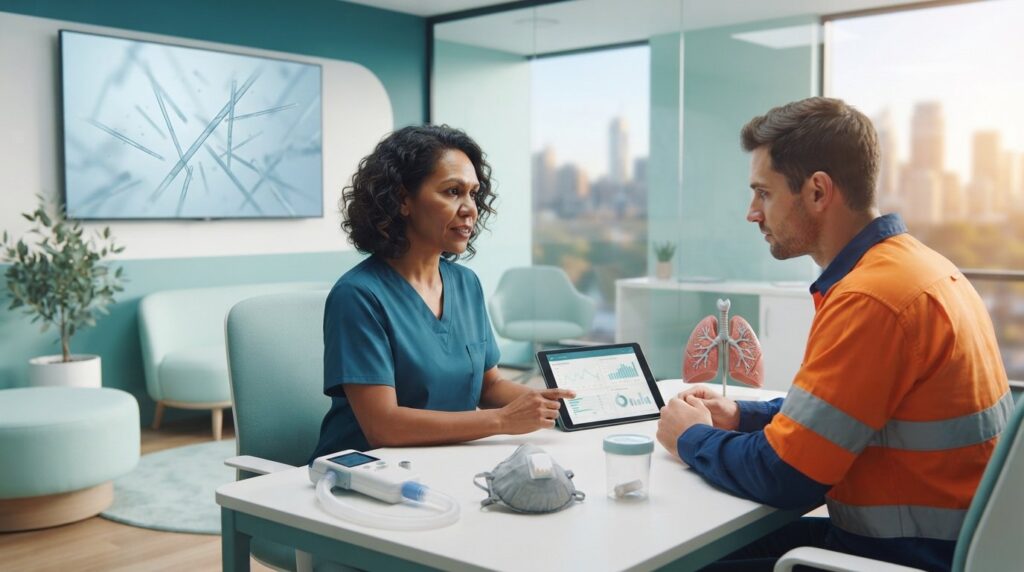
With roughly two Australians diagnosed with mesothelioma every single day, the weight of responsibility for employers managing legacy materials has…

Did you know that cocaine detections in Australian workplaces surged by 45.4% between 2025 and 2026? This sharp increase, alongside the rising…

Did you know that vehicle incidents remain the leading cause of work-related fatalities in Australia, with transport and warehousing sectors bearing…

Imagine you’re caught in a stalemate where a treating GP’s certificate says “total incapacity,” yet your insurer’s report suggests the employee is…
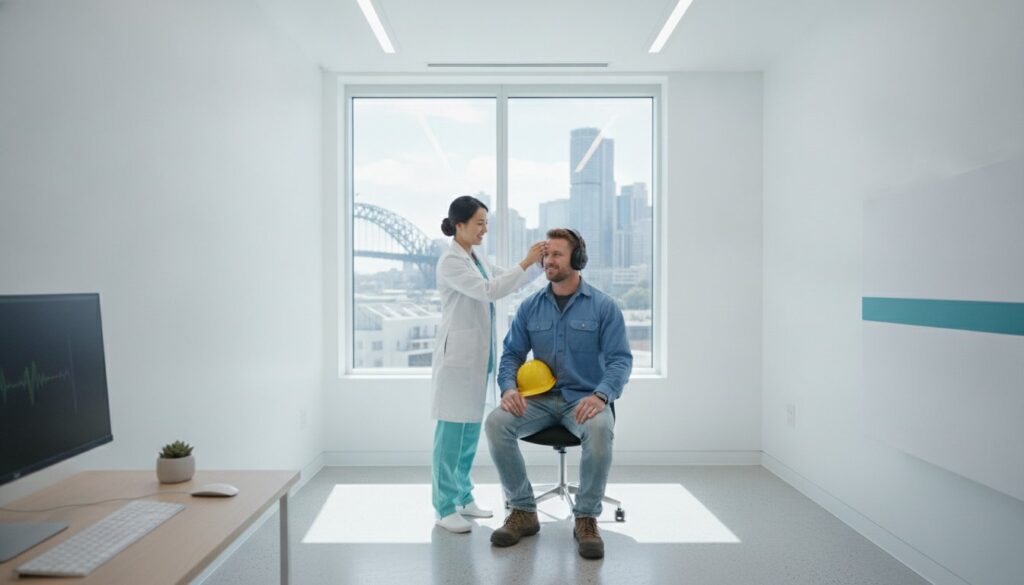
Did you know that more than 1.1 million Australians are currently exposed to hazardous noise levels in their daily work? This staggering figure,…